November 5, 2026
Dental health plays a vital role in overall physical well-being. Finding the right dental care provider requires careful consideration of various options available in the community. Patients face a choice between independent practices and franchise operations. The decision impacts the quality of dental care individuals receive over time. These business models offer distinct advantages and disadvantages for dental clients. Understanding these nuances helps people navigate healthcare decisions with confidence.
Corporate clinics provide wide availability and standardized procedures. Independent practices emphasize personalized attention and long-term community relationships. Understanding the fundamental differences between these business models helps individuals make informed decisions about dental health. Evaluating how each model operates reveals significant contrasts in patient care, treatment philosophies, and administrative operations. The right choice supports optimal oral hygiene and sustained health across an individual's lifetime.
Evaluating the Patient Experience
When individuals visit a corporate clinic, they encounter a high-volume environment. Reception areas accommodate multiple people, and staff members handle a constant flow of appointments. This model prioritizes efficiency and rapid patient turnover. The sheer volume of daily visitors makes the atmosphere feel clinical and detached. Patients might feel like a name on a sprawling daily schedule instead of an individual requiring dedicated medical care.
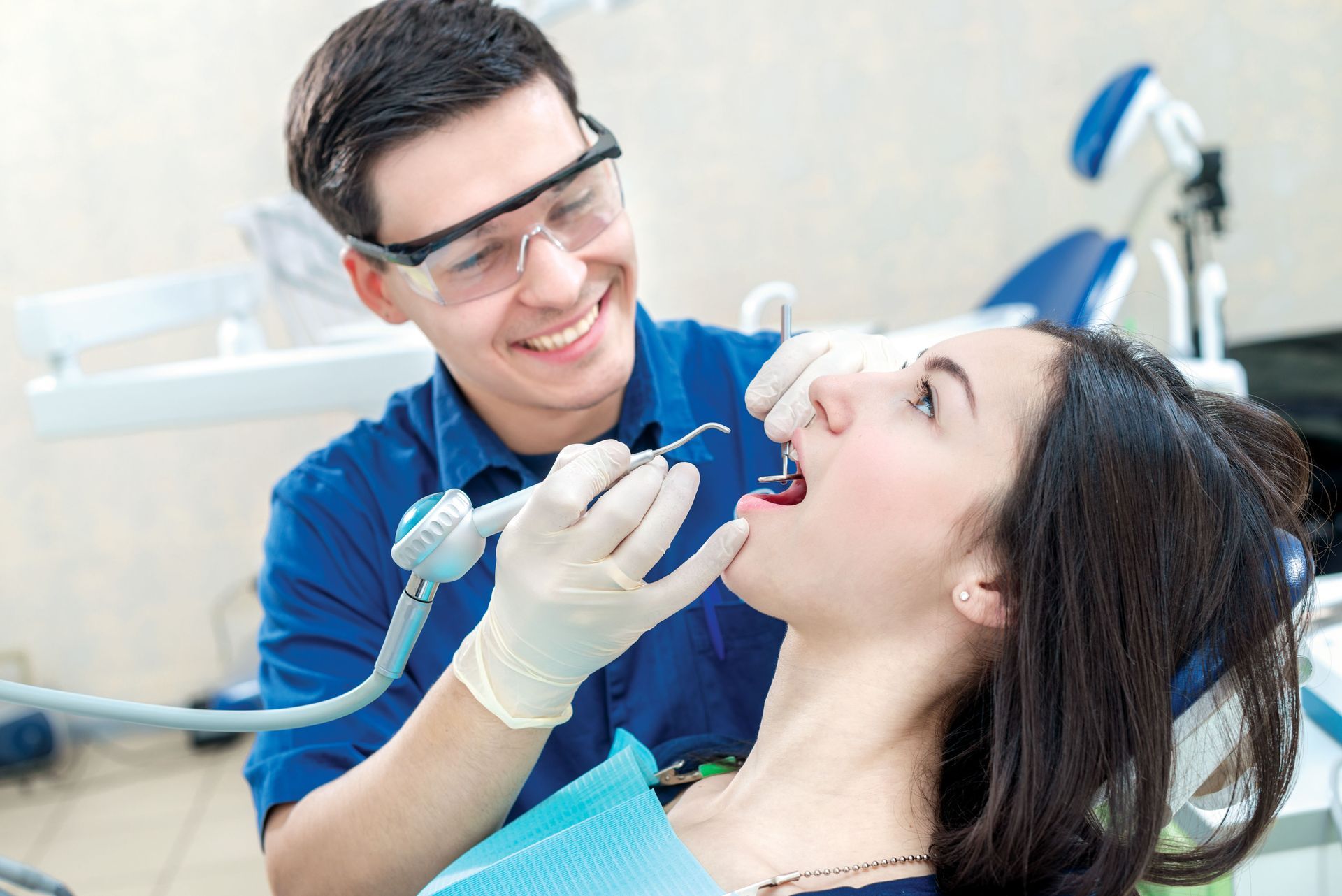
Independent dental offices foster a distinct atmosphere. Visiting a local dentist means entering a calmer, intimate waiting room. Staff members greet returning individuals by name and remember personal preferences. This personalized approach minimizes dental anxiety and makes the visit pleasant. The environment feels welcoming and tailored to individual comfort instead of mass processing. Smaller waiting areas reduce noise and create a tranquil setting for nervous patients.
A major factor in the patient experience involves appointment scheduling. Corporate chains offer extended hours and weekend availability. This flexibility accommodates busy schedules and erratic work shifts. Yet, this system means individuals see different staff members during each visit. This rotating personnel structure hinders the development of a steady provider-patient relationship. Consistency suffers in favor of open calendar slots and maximized facility utilization.
Independent practices maintain standard office hours, which might require some schedule coordination. The trade-off comes with guaranteed personnel consistency. Patients see the same faces at the reception desk, the same hygienist, and the same doctor. Familiarity breeds comfort and relaxation during procedures. Recognizing the same staff members provides peace of mind for nervous dental patients. This stability transforms a stressful medical appointment into a comfortable routine.
Assessing the Treatment Approach
Corporate chains establish strict operational protocols. Headquarters dictates specific procedures, material choices, and appointment durations. This standardization ensures a baseline level of care across all franchise locations. Rigid protocols leave little room for customized care plans. Dentists working under corporate umbrellas must adhere to company-mandated metrics and production goals. This pressure influences treatment recommendations and the pace of care delivery.
A local dentist operates free from corporate mandates. Independent practitioners set their own policies and select materials based on clinical judgment instead of company-approved vendor lists. This autonomy allows for individualized treatment strategies. Dental professionals adapt their methods to suit specific patient needs and personal preferences. Independent practitioners prioritize long-term oral health over corporate production targets and generalized company metrics.
Preventative care strategies diverge between the models. Large clinics focus on treating immediate problems and fulfilling acute dental needs. The fast-paced environment leaves little time for comprehensive education about daily oral hygiene. Appointments focus on completing the scheduled procedure and preparing the room for the next person. In-depth discussions about preventative strategies become secondary to operational efficiency and high daily quotas.
Independent practitioners emphasize preventative education as a cornerstone of their practice. A local dentist allocates sufficient appointment time to discuss brushing techniques, flossing habits, and dietary impacts on enamel. This comprehensive approach empowers individuals to maintain their oral health between visits. Thorough explanations of treatment options help patients make informed decisions about their dental health without feeling rushed or pressured.
Reviewing the Clinic Environment
The physical environment of a dental clinic influences patient comfort. Corporate facilities feature modern aesthetics, identical layouts, and standardized branding. The design aims for a clean, uniform look across all locations. While professional, this cookie-cutter approach lacks warmth and personality. The sterile atmosphere exacerbates dental anxiety for sensitive individuals and pediatric patients. A generic setting makes the medical experience feel cold and uninviting.
Independent offices reflect the personality of the surrounding community. Waiting areas feature comfortable furnishings, regional artwork, and a relaxed ambiance. This localized design approach creates a soothing environment that feels closer to a living room than a medical facility. The distinct character of an independent office helps individuals feel at ease before their appointments begin. Patients appreciate the personalized touches that decorate the space.
Technological integration varies between practice models. Corporate chains possess significant financial capital to invest in modern equipment. These facilities feature advanced imaging machines and modern digital tools. Patients benefit from modern diagnostic capabilities and streamlined digital records. Yet, the presence of advanced technology does not guarantee superior clinical outcomes if the provider lacks adequate time to evaluate the results.
Independent practices invest in essential modern technology. Choosing a local dentist does not mean sacrificing quality diagnostic tools. Independent practitioners acquire the specific technology that best serves their patient demographic. These professionals take the time to review imaging results with individuals. According to Forbes, visiting the dentist at least one time a year can help detect and treat gum disease. Utilizing modern diagnostics aids this crucial preventative effort.
Analyzing the Care Continuity
Continuity of care remains a critical component of successful dental health management. In corporate clinics, high staff turnover rates present a frequent challenge. Dentists and hygienists move between locations or leave the company for private practice. This constant rotation means patients fail to build a lasting relationship with a specific provider. Such instability disrupts ongoing treatment plans and historical knowledge.
A new doctor must review chart notes to understand a patient's dental history. While records provide data, they lack the nuanced understanding of a long-term provider. A rotating cast of clinicians might interpret symptoms in contrasting ways, leading to conflicting treatment recommendations. This disjointed approach frustrates individuals seeking consistent guidance for chronic dental issues or complex restorative work. Patients desire cohesive medical strategies.
Independent practices excel at maintaining care continuity over long periods. When patients visit a local dentist, they establish a permanent dental home. The practitioner oversees the individual's oral health journey from childhood through adulthood. This long-term perspective allows the provider to track subtle changes in dental health and anticipate future needs based on historical patterns. Consistent observation prevents minor issues from escalating.
Familiarity enhances diagnostic accuracy and treatment success. A steady provider recognizes when a minor issue requires monitoring versus immediate intervention. This ongoing relationship fosters a supportive environment where patients feel valued and understood. Consistent care delivery minimizes unnecessary procedures and ensures treatment plans align with the individual's long-term health goals and personal preferences. Deep provider relationships yield optimal medical outcomes.
Selecting a dental care provider requires weighing convenience against personalized attention. Corporate chains offer streamlined operations, extended hours, and standardized environments. These facilities serve a purpose for individuals prioritizing schedule flexibility and mass-market procedures. The high-volume model sacrifices continuity of care and individualized treatment strategies. The corporate approach treats dental care as a retail service instead of a lifelong medical partnership.
Independent practices prioritize patient relationships and personalized care. Choosing a local dentist ensures consistent provider interactions, individualized treatment plans, and a welcoming office environment. This model focuses on comprehensive oral health management instead of meeting daily production quotas. Consistent care from a familiar practitioner provides the foundation for optimal dental health and a positive clinical experience. The right choice promotes lasting smiles. We invite you to experience the personalized care of a local dentist by joining us at Staffordshire Dental Group PA. Contact our team today to schedule your next appointment and prioritize your long-term oral health.