September 1, 2026
Cavities, also known as dental caries, are a significant concern for adults worldwide. These small, destructive holes in teeth result from prolonged decay that can cause severe discomfort and lead to further oral health issues. Understanding the causes of cavities is vital as they impact over half of the adult population, impacting their quality of life and oral hygiene. According to the American Dental Association, untreated cavities will still impact one in four adults by 2026, despite advancements in care. Recognizing the factors contributing to cavity formation helps in prevention and improves overall dental health.
Cavities develop due to various factors that go beyond merely eating sweets or neglecting oral hygiene. They result from a complex interplay between personal habits, lifestyle choices, and access to routine care from dentists. The need to address cavities in adults is not only an individual health concern but a public health challenge. Through increased awareness and preventive measures, it is possible to control and even diminish the incidence of cavities.
Neglecting Daily Oral Hygiene Routines
Poor oral hygiene is a primary contributor to the onset of cavities. Regular brushing is essential for maintaining dental health, yet many adults neglect this simple task. Failure to brush at least twice a day allows plaque, a sticky film of bacteria, to accumulate. This plaque produces acids that erode the tooth enamel, paving the way for cavities. It's recommended to replace your toothbrush every three months, as old bristles become inefficient at removing plaque and debris.
Flossing may be overlooked by many, but it plays a critical role in maintaining dental hygiene. Flossing reaches areas of the teeth that brushing alone cannot, particularly between teeth and along the gumline. Infrequent flossing leads to the buildup of food particles and plaque, increasing the risk of cavities. Regular flossing can significantly reduce the likelihood of cavities and periodontal diseases. It's essential to use the right technique to ensure that floss can effectively remove debris.
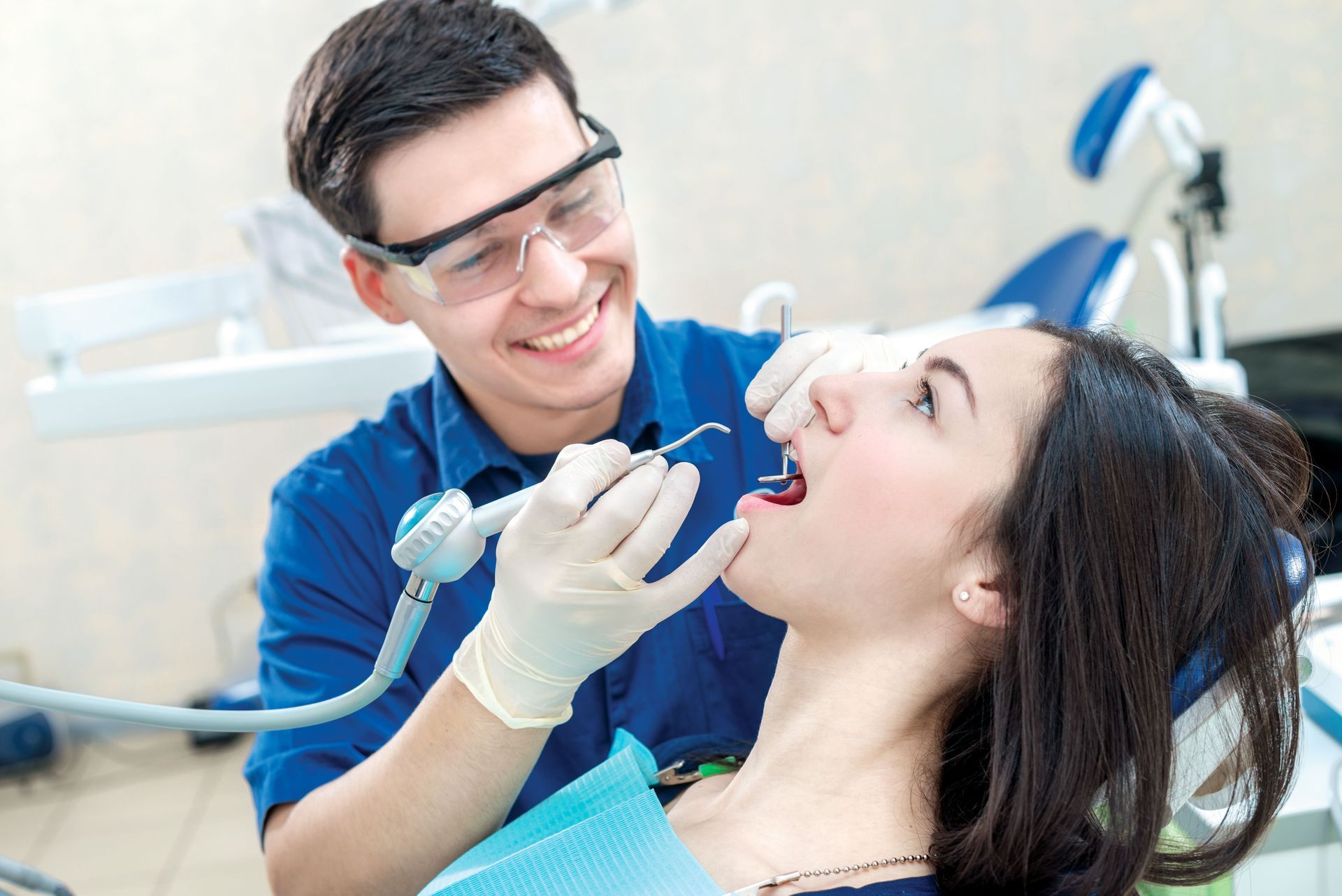
Professional dental cleanings provided by skilled dentists are indispensable for preserving oral health, as they offer a level of cleanliness that typical home care cannot achieve. Dental professionals can identify early signs of potential problems before they develop into full-blown cavities. Routine examinations and cleanings, recommended every six months, remove tartar buildup that regular brushing fails to address. Lack of such professional interventions can accelerate the decay process and the onset of cavities.
Consuming High-Sugar and Acidic Foods
The consumption of high-sugar and acidic foods significantly contributes to cavity development. Sugary drinks, such as sodas, energy drinks, and some fruit juices, bathe the teeth in sugar, feeding bacteria that produce cavity-causing acids. These acids can weaken enamel, increasing cavity risk. The frequent intake of sugary beverages provides a continuous acid attack on teeth, making it critical to moderate their consumption. When indulging in such drinks, it's advisable to use a straw to minimize contact with teeth.
Frequent snacking on sweets prolongs sugar exposure on teeth. This extended exposure gives oral bacteria more time to create acids that wear down enamel. It's not just the amount of sugar but also the frequency and timing that influence cavity risk. Opting for sugar-free snacks or those rich in proteins and fibers, such as nuts or fruits and vegetables, can aid in reducing the risk. Limiting sugary snacks to meal times can help as saliva production increases during meals and helps in neutralizing acids.
Acidic foods and drinks can have a corrosive effect on enamel, leading to increased vulnerability. Foods high in acid include citrus fruits, pickles, and tomatoes. It's essential to balance their consumption with foods that help neutralize acidity and strengthen enamel, such as cheese and milk. Additionally, rinsing the mouth with water after consuming acidic items can mitigate the adverse effects.
Lacking Consistent Access to Quality Dental Care
Access to professional care is vital for preventing cavities, yet many adults face barriers that limit their ability to receive necessary treatments. Socioeconomic factors play a significant role in an individual's ability to seek preventive options. Those with limited financial resources often prioritize other needs over dental care, leading to untreated oral health issues. Additionally, low-income populations may lack access to educational resources that emphasize the importance of regular visits to trusted dentists.
Geographic limitations also impact access to dental services. In rural or underserved areas, there may be a shortage of local clinics, making it difficult for residents to obtain timely care. These geographic barriers can lead to prolonged periods without professional dental assessments. Tele-dentistry and mobile clinics are innovative solutions that can help bridge this gap, though implementing such solutions requires concentrated effort and investment.
Lack of dental insurance is another significant deterrent for many adults seeking care. Without coverage, the financial burden of exams, cleanings, and treatments can be overwhelming. Many individuals forego necessary dental check-ups, leading to the progression of cavities. Fear and anxiety regarding procedures further compound access issues, making patient education and gentle care essential.
Managing the Effects of Dry Mouth Conditions
The condition known as xerostomia, or dry mouth, is a significant risk factor for cavities. It occurs when the salivary glands do not produce enough saliva, which is crucial in protecting teeth against decay. Saliva helps in neutralizing acids produced by bacteria in the mouth and cleaning away food particles. Causes of dry mouth can include medications, certain medical conditions, and lifestyle choices. Addressing dry mouth involves identifying underlying causes and managing symptoms effectively.
The impact of dry mouth on oral health cannot be understated, as it creates an environment favorable to cavity formation. Reduced saliva means less protection against acids and fewer natural repairs of enamel. Those suffering from dry mouth might experience increased plaque, tooth decay, and gum disease. Maintaining hydration is crucial, as it helps stimulate saliva production. Dietary modifications, such as reducing caffeine or alcohol intake, can also alleviate symptoms.
Many medications, including antihistamines, diuretics, and antidepressants, can contribute to dry mouth. It's important for individuals taking these medications to discuss potential oral side effects with their healthcare provider. Managing dry mouth proactively can help individuals maintain oral health and prevent severe decay.
Using Tobacco and Smoking Products
Smoking and the use of tobacco products are significant risk factors for cavities and other oral health issues. Tobacco increases the production of plaque and tartar, creating a breeding ground for bacteria that cause cavities. The relationship between tobacco and oral health extends beyond cavities, with smokers also being at higher risk for gum disease and oral cancer. Quitting smoking not only reduces the risk of cavities but also improves overall health.
The effects of smoking on saliva production further complicate its impact on oral health. Smoking reduces saliva flow, making it harder for the mouth to wash away harmful acids and bacteria. Reduced saliva exacerbates dry mouth conditions, increasing the risk of tooth decay. Education about these negative effects is crucial, as it can motivate individuals to seek cessation support.
Gum health is particularly compromised by smoking and tobacco use. Tobacco decreases blood flow to the gums, inhibiting healing and increasing susceptibility to infections. Experienced dentists frequently highlight that this degradation can lead to the gums pulling away from the teeth and eventual tooth loss. Strategies for quitting tobacco include behavioral therapy, nicotine replacement therapies, and support groups to protect long-term dental health.
Future efforts should focus on integrating dental health education into broader healthcare initiatives. Encouraging regular check-ups and promoting accessible care for all demographics will ensure better oral health outcomes. The responsibility lies not only with individuals but also with health professionals dedicated to advancing health equity. For more information about the services that we offer, reach out to our incredible team at Staffordshire Dental Group P.A. today!